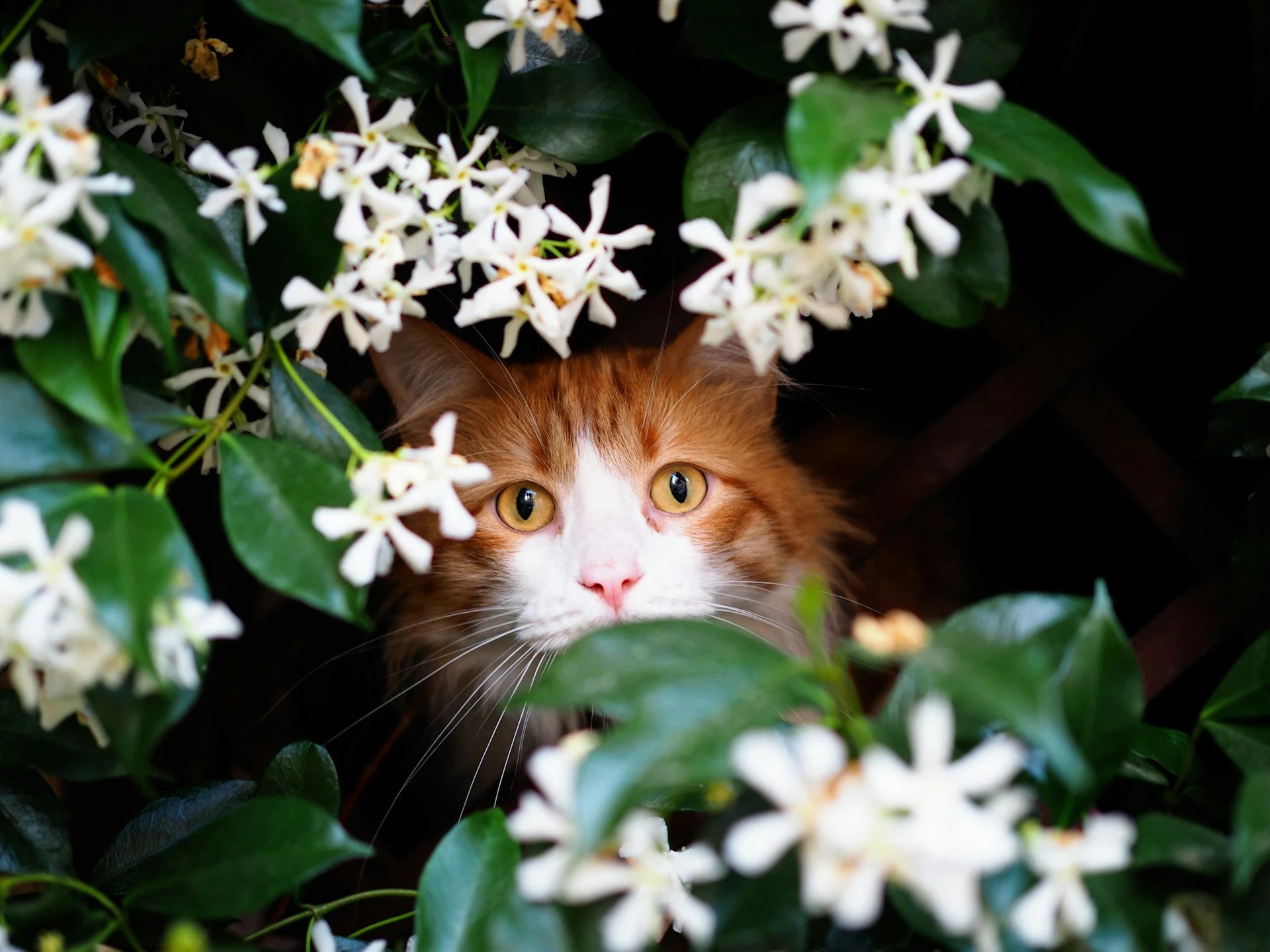
Why Is My Cat So Vocal? What Excessive Meowing Really Means
At Clearview Veterinary Hospital, we often hear from concerned cat owners in Metairie and Harahan, LA who are wondering, “Why does my cat meow so much?” While some breeds like Siamese are naturally talkative, sudden or constant vocalizing can be a clue that your feline friend is trying to tell you something important.
Let’s break down the most common reasons for excessive meowing in cats—and when it’s time to call your vet.
What’s Normal Meowing?
All cats “talk” to some degree. Some meow when they’re hungry, greeting you, or asking for attention. But if your kitty starts meowing more than usual, louder, or at odd hours, it could be a sign of stress, discomfort, or an underlying medical issue.
Common Reasons Cats Meow Too Much
Hunger or Thirst
The most obvious culprit: they want food or water. If your kitty meows around mealtime or near the food bowl, start by putting Fluffy on a consistent schedule and that their diet meets their needs. Of course, you’ll need to be careful not to let your pet meowpulate you into overfeeding her!
Attention-Seeking
Cats quickly learn that vocalizing gets results. Fluffy may want playtime, affection, or even to be let outside. If your four-legged buddy meows persistently and stares you down, they may be training you.
Boredom
Indoor cats need enrichment. A lack of stimulation can lead to vocal cat behavior like pacing and meowing. Adding puzzle feeders, window perches, or new toys can help.
Stress or Change
A move, new pet, visitor, or change in schedule can make even the most relaxed cat act out. If the meowing coincides with a life change, stress could be the cause.
Age-Related Issues
Senior cats sometimes become more vocal due to cognitive changes, disorientation, or sensory loss. If your older cat meows at night or seems confused, schedule a visit with your vet.
Illness or Pain
Cats may meow more when they’re uncomfortable—especially with conditions like hyperthyroidism, high blood pressure, or urinary tract infections. If your kitty is suddenly vocal and seems “off,” contact Clearview Veterinary Hospital right away.
How to Stop a Cat from Meowing All the Time
- Rule Out Medical Issues First: Always start with a vet visit to make sure there’s no underlying condition.
- Stick to a Routine: Feed, play, and rest on a schedule to reduce stress and uncertainty.
- Avoid Reinforcing the Behavior: Don’t reward constant meowing with treats or attention. Instead, wait for a quiet moment.
- Use Enrichment: Try climbing trees, interactive toys, and foraging games to keep your kitty mentally engaged.
Of course, some kitties are just naturally little chatterboxes. It’s also possible that there is nothing wrong, and your feline pal just has a lot to say! It’s just better to err on the side of caution and get your cute pet checked out. This is especially true if your cat hasn’t always been vocal.
FAQ
Should I ignore my cat’s meowing?
It depends. If your cat is healthy and just seeking attention, it’s okay to ignore the meowing briefly. But never ignore sudden or unusual changes—call your vet.
Is my cat meowing because of pain?
Possibly. Meowing paired with hiding, loss of appetite, or changes in litter box habits may indicate pain. We can help determine the cause.
Do certain breeds meow more?
Yes. Siamese, Oriental Shorthairs, Bengals, and other vocal breeds are naturally chattier than others. However, any change in behavior still warrants a checkup.
Visit Our Metairie and Harahan Veterinary Clinic
If your cat won’t stop talking, we’re here to listen. At Clearview Veterinary Hospital, our compassionate team helps you decode excessive meowing in cats—and get to the root of the issue. From behavior consults to senior care, we’ve got you covered.
Looking for a vet near me in Metairie or Harahan, LA? Give us a call today. Let’s help your kitty get back to their regular purr schedule—book your appointment now.
This blog is for informational purposes only. Always consult your veterinarian for medical advice, diagnosis, or treatment tailored to your pet.

Hydration Tips To Keep Pets Healthy In Louisiana Heat
Helping Pets With Thunderstorm Anxiety In Louisiana Homes
Senior Cat Health Care Tips To Support Aging Gracefully
House Call Vet Visits: Bringing Care To Pets At Home

Why Dogs Jump: Training Polite Greetings With Visitors
Recognizing Flea Allergy Dermatitis In Cats And Kittens

Preparing Dogs For Boarding With Comfort And Confidence
Why Cats Knead: Feline Behavior Explained

Managing Obesity In Dogs With Healthy Diet And Exercise