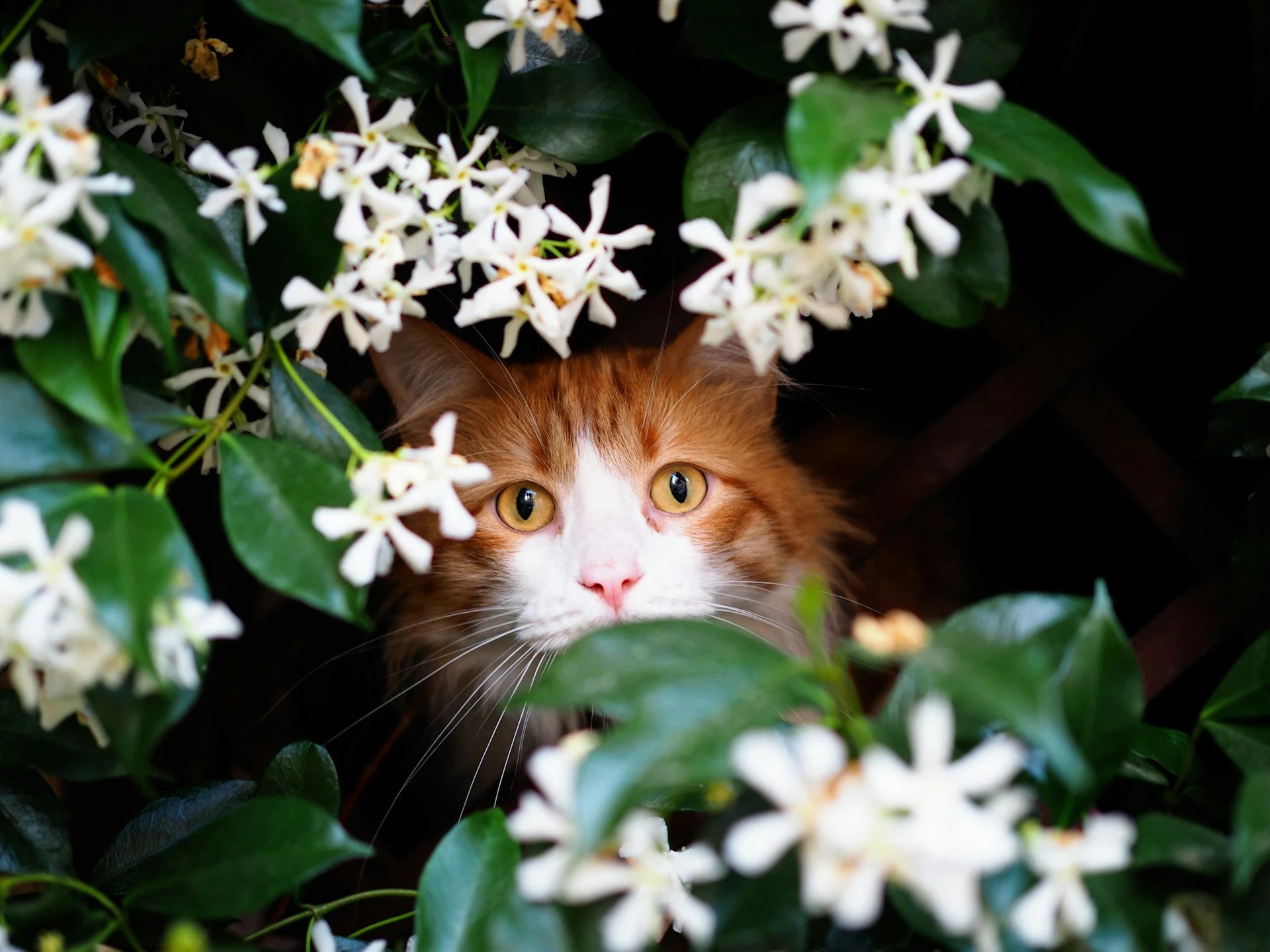
Why Cats Hide: Behavior Clues Every Owner Should Notice
Have you ever found yourself searching every corner of the house, only to discover your feline friend tucked into a closet or squeezed behind the couch? At Clearview Veterinary Hospital, your Metairie, LA pet clinic, we often hear from cat owners who wonder why cats hide so frequently. While hiding is often harmless, it can sometimes be a signal that your kitty is stressed, anxious, or not feeling well.
Cats are naturally secretive. As both predators and prey in the wild, they’ve learned that concealment is a valuable survival tool. Today’s house cats carry those same instincts, and while some hiding is perfectly normal, changes in the pattern or intensity of this behavior may indicate a problem. Understanding why cats hide can help you decide when it’s time to relax and when it’s time to call your Metairie, LA cat vet.
Why Cats Hide
Hiding is a deeply ingrained feline behavior. In nature, it helps protect cats from threats while allowing them to stalk prey undetected. Even though Fluffy may never need to hunt or evade predators indoors, those instincts remain strong.
Common Reasons Cats Hide
- Rest and comfort: Many cats simply love curling up in dark, enclosed spaces.
- Stress or fear: Loud noises, new pets, or unexpected visitors may send cats scurrying under furniture.
- Illness or pain: When cats don’t feel well, they often retreat and keep to themselves.
- Environmental change: A move to a new home, a change in routine, or even rearranged furniture can spark hiding behavior.
- Temperature regulation: Cats may hide under blankets for warmth in winter or under beds for coolness during summer.
Normal Hiding Vs. Concerning Hiding
Normal Hiding
Short, predictable bouts of hiding are usually nothing to worry about. Cats naturally enjoy quiet, safe spaces. If your feline companion hides after playtime or chooses a favorite box for afternoon naps, it’s likely just part of their routine.
Kitties also often hide when they first get to a new home. Austin’s Pets Alive has a helpful article on helping a scaredy cat settle in on their website here.
Concerning Hiding
When hiding becomes excessive, prolonged, or unusual for your cat’s personality, it may signal a problem. Warning signs include:
- Hiding for many hours without resurfacing
- Refusing food or water while hidden
- Avoiding human interaction when normally social
- Hiding combined with other changes, such as weight loss or litter box issues
Cats are skilled at masking illness, so unusual hiding should never be dismissed.
We’ve also covered other purrplexing kitty behaviors in different blogs. Click here for our piece on Fluffy’s scratching habits.
Stress And Anxiety In Cats
Stress is one of the most common reasons for feline hiding behavior. Cats thrive on predictability, and even small changes can rattle their sense of security.
Triggers For Stress-Related Hiding
- Loud thunderstorms or fireworks
- Strangers entering the home
- Introduction of a new pet or baby
- Travel or vet visits
- Remodeling or moving furniture
Helping A Stressed Cat
- Provide safe, quiet hiding areas where your kitty feels in control
- Use gentle reassurance without forcing interaction
- Keep routines consistent with feeding and playtime
- Offer enrichment like scratching posts, perches, and interactive toys
If stress-related hiding persists, your Metairie, LA vet can recommend behavioral strategies or calming aids.
Medical Reasons Cats Hide
When a normally outgoing cat suddenly begins to hide more often, medical causes must be considered. Hiding may occur with:
- Dental disease or oral pain that makes eating uncomfortable
- Arthritis in senior cats, making them less mobile and more withdrawn
- Gastrointestinal upset such as nausea or constipation
- Respiratory illness that causes fatigue or discomfort
- Urinary tract infections or blockages, which can be painful and dangerous
Any sudden change in hiding behavior, especially when paired with appetite loss, lethargy, or vocalization, should prompt a vet visit.
Creating Safe Hiding Spots
Cats benefit from having designated hiding areas where they can retreat without concern. By offering safe options, you (hopefully) stop your kitty from choosing unsafe spaces, like under heavy furniture or behind appliances.
Tips For Safe Hideouts
- Provide cardboard boxes, tunnels, or enclosed cat beds
- Add cozy blankets in quiet rooms
- Create elevated resting spots on cat trees or shelves
- Keep some hideouts accessible but safe for quick check-ins
Safe hiding areas allow cats to cope with stress without leaving you worried about their safety. Stimulation is also important. You’ll find some great ideas about keeping an indoor cat enriched at the Animal Humane Society website here.
Fun Facts About Cat Hiding
- Cats’ flexible spines allow them to squeeze into spaces much smaller than their body size.
- In multi-cat households, hiding can serve as a form of “alone time” rather than stress.
- Cats may rotate hiding spots, keeping you guessing where they’ll turn up next.
- Some cats prefer high, elevated hideouts, while others prefer low, dark spots.
FAQs About Cat Hiding Behavior
Is hiding always a bad sign?
Not at all. Many cats hide occasionally for rest or comfort. It becomes a concern if the behavior is sudden, prolonged, or unusual for your pet.
Why does my cat hide from guests?
Cats are naturally cautious. Many prefer to observe from a distance until they feel comfortable with new people.
Can hiding indicate illness?
Yes. Cats often mask discomfort by retreating. If hiding is paired with changes in appetite, weight, or litter box use, schedule a veterinary visit.
Should I pull my cat out of hiding?
No. Forcing them out increases stress and may damage trust. Instead, make their environment feel safe so they emerge on their own.
How can I help my anxious cat feel secure?
Offer consistent routines, enrichment toys, and safe hideouts. In some cases, calming pheromones or veterinary support may help.
Do kittens hide as much as adult cats?
Kittens are often bolder, but they may still hide when startled by noises or new environments.
Why does my cat only hide at night?
Some cats are more active at night and may seek quiet hideouts to rest during the day, surfacing in the evening.
My cat hides during storms—what should I do?
Provide a cozy den away from windows and loud noises. Play calming music or white noise to mask thunder.
Can multiple cats sharing a home cause hiding?
Yes. Dominance struggles may push one cat into hiding. Providing multiple resources—food bowls, litter boxes, beds—can reduce conflict.
Should outdoor cats hide more often?
Outdoor cats often develop secret hiding places in yards or garages. It’s harder to monitor, so regular vet care is essential to catch health issues early.
Visit Our Metairie, LA Cat Vet For Guidance
Hiding is one of the most common feline behaviors, but its meaning varies. At Clearview Veterinary Hospital, your Metairie, LA vet clinic, we are here to help! If you’re searching for a “vet near me” for advice on feline behavior, call today to schedule an appointment.
You can visit our Service page here to learn more about our Metairie, LA vet clinic and the pets we treat. We also offer Behavioral Counseling. Click here to learn more.
This blog is for informational purposes only. Always consult your veterinarian for diagnosis, treatment, and behavioral support tailored to your cat.

Hydration Tips To Keep Pets Healthy In Louisiana Heat
Helping Pets With Thunderstorm Anxiety In Louisiana Homes
Senior Cat Health Care Tips To Support Aging Gracefully
House Call Vet Visits: Bringing Care To Pets At Home

Why Dogs Jump: Training Polite Greetings With Visitors
Recognizing Flea Allergy Dermatitis In Cats And Kittens

Preparing Dogs For Boarding With Comfort And Confidence
Why Cats Knead: Feline Behavior Explained

Managing Obesity In Dogs With Healthy Diet And Exercise