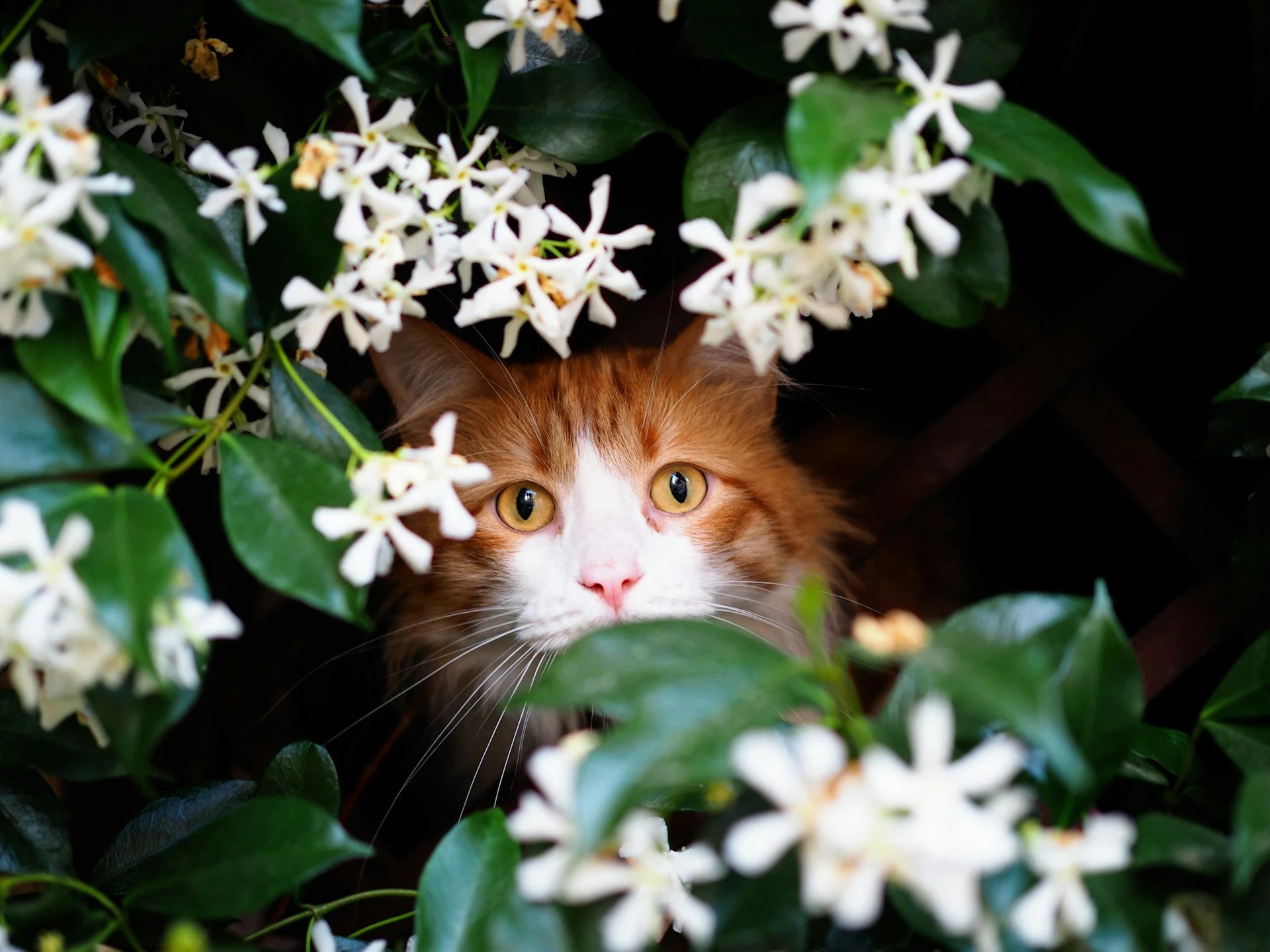
Why Cats Knead: Feline Behavior Explained
If you’ve ever had your kitty climb onto your lap and rhythmically press their paws into you, you’re in good company. Many people with kitties have experienced this feline behavior first hand. At Clearview Veterinary Hospital, our Metairie, LA veterinarians often hear families ask why cats knead and what it really means. The motion may feel odd and a bit uncomfortable—those claws are sharp—but it’s an important window into feline behavior.
Cats knead for comfort, bonding, and communication. This natural action begins in kittenhood and continues throughout a cat’s life. By learning the reasons behind kneading, you’ll gain insight into your feline friend’s needs and better understand their affectionate quirks.
What Is Cat Kneading?
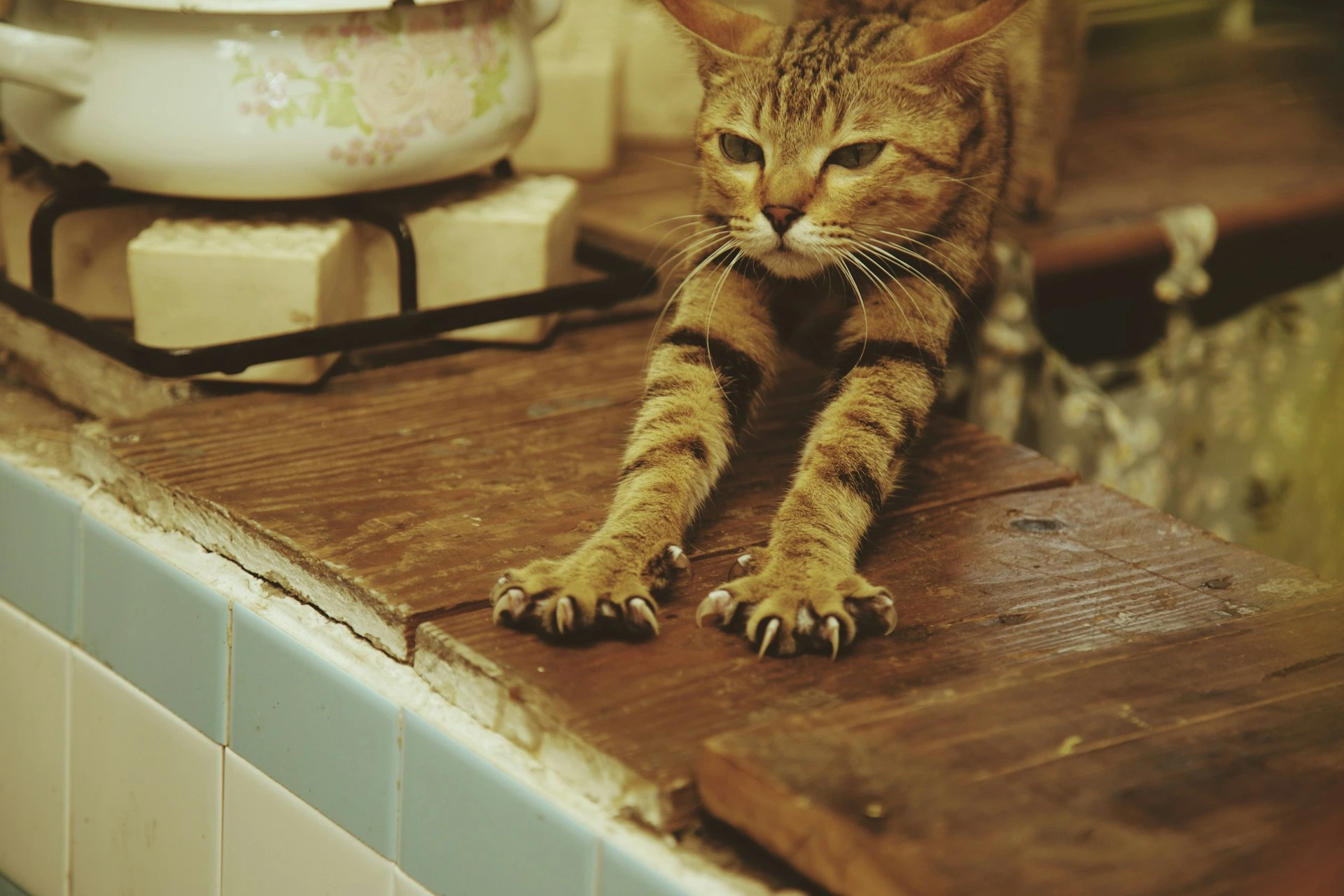
Kneading is when cats press their front paws alternately against a soft surface, often while purring. Many cats do it on blankets, pillows, or even on their favorite people. It looks like they’re making bread dough. Hence the nickname “making biscuits.”
Why Cats Knead: Common Reasons
A Kitten Instinct That Lasts Into Adulthood
Kittens knead their mothers’ bellies to stimulate milk flow. For adult cats, the behavior becomes associated with comfort and security. It’s kind of a sign that Fluffy sees you as her parent.
Marking Territory
Cats have scent glands in their paw pads. When Fluffy kneads, she may be leaving her scent as a way of claiming her spot—or you—as hers.
Preparing A Resting Spot
Wild ancestors would knead grass or leaves before lying down. Domestic cats may continue this nesting instinct on blankets or laps.
Bonding And Affection
Kneading on you is often a sign of trust and bonding. It’s your kitty’s way of saying you’re part of their safe space.
Relaxation And Stress Relief
Many cats knead while purring or before a nap. The rhythmic motion may help them relax or self-soothe.
In most cases, this is a harmless (if slightly painful) way that cats show affection. We also tackled another kitty behavior—hiding—in a previous blog. Click here to read it.
When Kneading Becomes Problematic
While adorable, kneading isn’t always pleasant for owners—especially when claws are sharp. Some cats knead more intensely or on inappropriate surfaces.
- Scratched skin or clothing: Trim nails regularly to reduce damage.
- Kneading furniture: Provide soft blankets or cat beds to redirect behavior.
- Excessive kneading: Sometimes linked to stress or anxiety—consult your veterinarian if it becomes obsessive.
PetMD wrote about kitties’ habit of making biscuits here. The American Animal Hospital Association also dug into this topic here.
Encouraging Healthy Kneading
You don’t want to discourage kneading entirely since it’s a normal feline behavior. Instead:
- Keep nails trimmed for comfort.
- Place cozy blankets or cat-safe pillows in favorite kneading spots.
- Gently redirect claws if they become uncomfortable, but never punish.
The American Animal Hospital Association also dug into this topic here.
Fun Facts About Cat Kneading
- Not all cats knead, but most start as kittens.
- Some cats drool while kneading because it’s linked to nursing behavior.
- Kneading is more common in cats with strong bonds to their families.
- Cats may purr louder while kneading as an extra sign of contentment.
FAQs About Cat Kneading
Why do cats knead their owners?
It’s often a sign of affection, comfort, and bonding.
Do male and female cats knead differently?
No. Kneading occurs in both sexes, though frequency varies by individual.
Is kneading ever a bad sign?
Usually no. However, obsessive kneading could signal stress or anxiety.
Can kneading be trained away?
It can’t be stopped entirely, but providing acceptable surfaces helps redirect it.
Why do some cats knead with claws out?
It’s instinctive. Regular nail trims make it more comfortable.
Do kittens knead more than adults?
Yes. Kittens knead for milk and comfort, but many cats continue into adulthood.
Should I stop my cat from kneading me?
Not unless it’s causing harm. Redirecting to a blanket is better than discouraging it altogether.
Visit Our Metairie, LA Cat Vet For Behavior Support
Kneading may seem mysterious, but it’s one of the many ways cats express love and security. At Clearview Veterinary Hospital, our Metairie, LA veterinarians help families understand why cats knead, provide guidance for managing cat kneading behavior, and ensure your feline companion stays healthy and happy. If you’ve been searching for a “vet near me” for feline behavior support, call today to schedule an appointment.
You can visit our Service page here to learn more about our Metairie, LA vet clinic and the pets we treat. We also offer Behavioral Counseling. Click here to learn more.
This blog is intended for educational purposes only. Always consult your veterinarian for advice, diagnosis, and care tailored to your cat.

Hydration Tips To Keep Pets Healthy In Louisiana Heat
Helping Pets With Thunderstorm Anxiety In Louisiana Homes
Senior Cat Health Care Tips To Support Aging Gracefully
House Call Vet Visits: Bringing Care To Pets At Home

Why Dogs Jump: Training Polite Greetings With Visitors
Recognizing Flea Allergy Dermatitis In Cats And Kittens

Preparing Dogs For Boarding With Comfort And Confidence
Why Cats Knead: Feline Behavior Explained

Managing Obesity In Dogs With Healthy Diet And Exercise